Does Morpheus8 recovery mean hiding away for days? Facial Morpheus8 downtime and recovery typically includes 1 to 3 days of visible downtime, with warmth, tenderness or a sunburn-like feeling often settling within 24 to 48 hours. Planning for Morpheus8 downtime and recovery also means allowing for redness and small needle marks, which can last up to a week.
It’s understandable to want a clear picture of how your skin might feel after treatment, especially if you have work or plans coming up. This guide explains what’s typical, how long redness may last and what aftercare involves, so you can plan with more confidence.
You’ll also learn which changes can occur as your skin settles and which symptoms call for prompt clinical advice. The aim is to explain the recovery process without assuming everyone’s skin responds in the same way.
During the first 24-48 hours after treatment, keep the treated area clean. Avoid touching or scrubbing it. Use a healing balm or moisturiser only when your provider advises it. Keep other skincare products off your skin during this early period unless specifically directed.
Avoid makeup for the first 48 hours. When it is suitable to resume, choose clean makeup and apply it gently, without rubbing tender skin. Vie Aesthetics advises broad-spectrum mineral sunscreen with SPF 30+, usually after 24-48 hours when advised by the provider. Minimise sun exposure as your skin settles.
Recovery varies with the treated area and treatment intensity. More extensive or intensive treatment may take longer to settle. Healing refers to temporary changes, such as sensitivity or redness. It differs from treatment results, which develop as your skin responds over time. A calm-looking surface does not mean the full result has appeared.
Morpheus8 is a form of radiofrequency microneedling. Recovery comparisons with standard microneedling depend on settings and treatment depth. Laser resurfacing uses a different approach, and its recovery also varies with depth and intensity. No single timeline fits every procedure.
For an important event, plan facial treatment at least 7-10 days beforehand. Pinpoint scabbing can take 3-7 days to clear, so allow time for your skin to settle. If your skin remains sore or becomes irritated, follow your treating team’s advice before applying products or makeup.
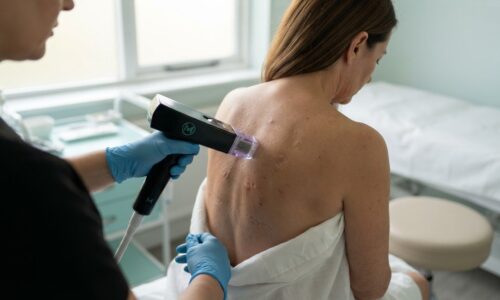
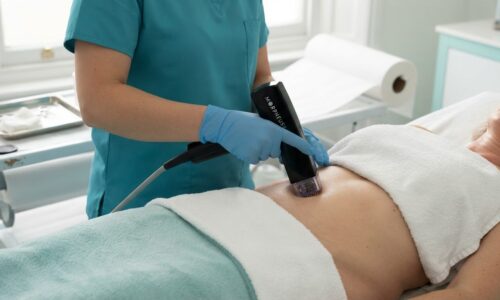
For Morpheus8 Body, recovery can vary with the treatment area, depth, energy settings and individual healing. Wait until pinpoint scabs have naturally flaked away, typically 3 to 5 days after Morpheus8, before applying makeup. If the skin is sore, broken or blistered, contact the treating team before applying makeup.
Thoughtful aftercare helps protect the skin barrier while it settles. Follow your treating team’s instructions on when to restart skincare products and normal activities.
Skincare restrictions mean avoiding ingredients and routines that could irritate recently treated skin. For at least 2 weeks, avoid direct sun exposure and harsh products, including retinol and glycolic acid. Don’t scrub, pick or use exfoliating products on the treated area. These steps help limit irritation while sensitivity and texture changes settle. Reintroduce active skincare only when your treating team advises it, rather than returning to your usual routine all at once.
Swelling management means easing discomfort without adding heat or friction to sensitive skin. During the first 24 hours, apply a clean, soft cold compress for 10-15 minutes at a time. Keep it gentle, and don’t press or rub the treated area. Sleeping with your head slightly elevated for the first 1-2 nights may help reduce swelling. Sensitivity can last five to seven days, so avoid strenuous exercise and activities that cause heavy sweating during early healing.
Skin protection means limiting exposure and allowing the surface to recover before resuming activities that may irritate it. Protect treated skin from direct sun and follow your provider’s advice about sunscreen and product use. Avoid saunas, steam rooms and other sources of heat during early healing. A follow-up appointment is advised 3 to 7 days after treatment. It gives the treating team an opportunity to review healing and discuss symptoms. Seek prompt clinical advice if pain increases or redness spreads, or if blistering or discharge appears—support from private healthcare practices like Kingsford Medical Services can be helpful if you require a prompt medical assessment or independent doctor review.
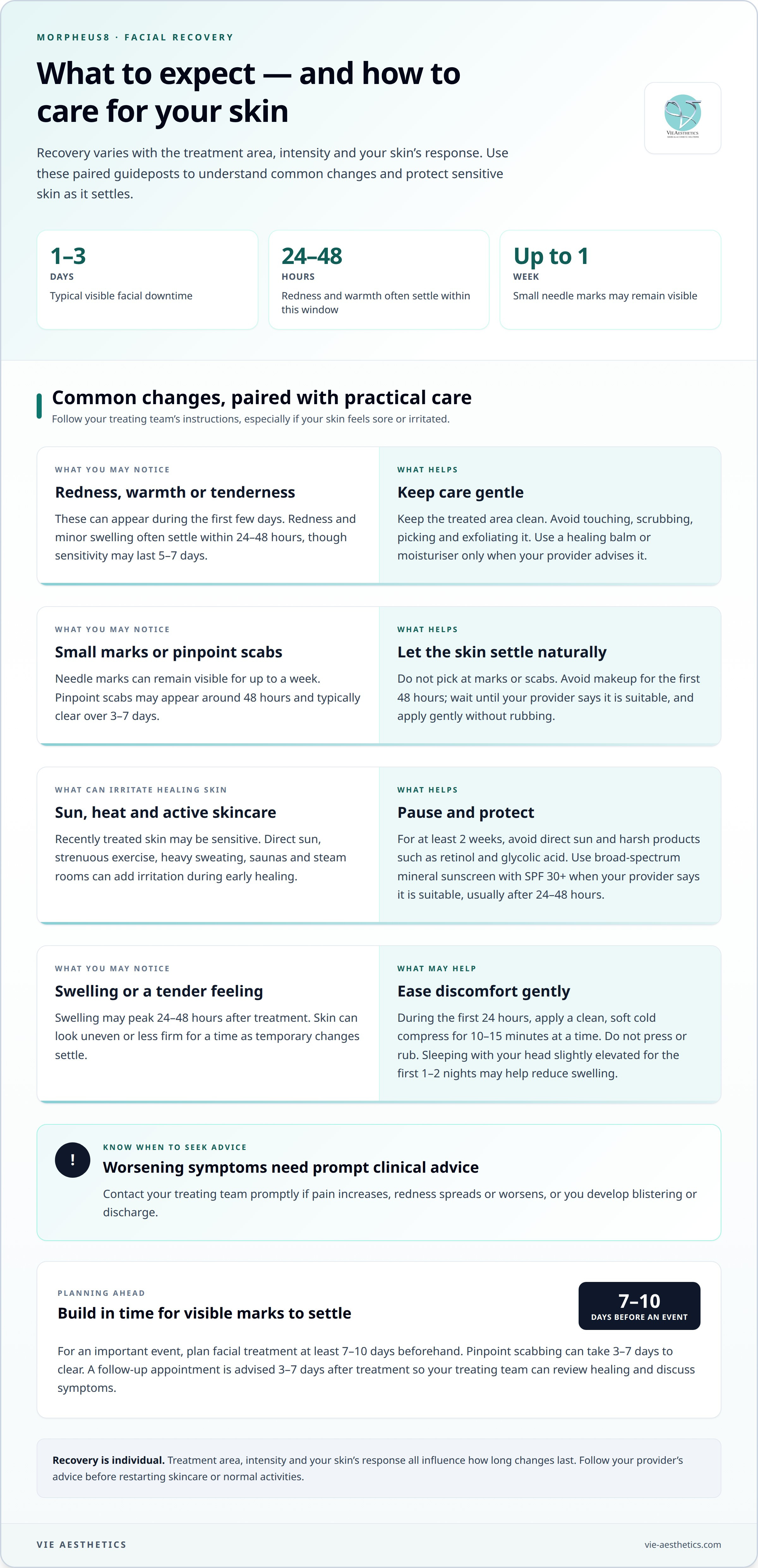
Redness often settles within 24 to 48 hours, while small needle marks can remain visible for up to a week. The treated area, intensity and your skin’s response all influence the timeline.
This early phase can bring redness, swelling and temporary changes in skin texture. Swelling may peak 24 to 48 hours after treatment, making the skin look uneven or less firm for a time. Warmth and tenderness can also appear. These effects reflect the skin’s response to treatment, but worsening symptoms need clinical attention.
Recovery comparisons depend on the treatment and settings used:
| Treatment | What shapes recovery |
|---|---|
| Morpheus8 | Needle depth, radiofrequency energy and treated area |
| Microneedling | Needle depth and the skin’s response |
| Laser resurfacing | Laser type and treatment intensity |
There is no single recovery timeline that applies to all three.
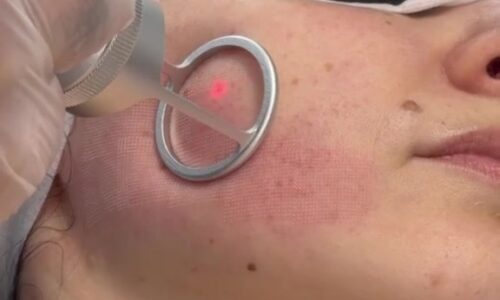
Redness and minor swelling often resolve within 24 to 48 hours, especially after smaller areas. Sensitivity and tenderness may persist, while needle marks can remain visible for up to a week. Pinpoint scabs may appear around 48 hours and typically clear over 3 to 7 days. Increasing pain, spreading redness, blistering or discharge warrants prompt clinical advice.
During day one, redness, warmth or tenderness may be visible; swelling can peak by 48 hours. From days 3 to 7, sensitivity and pinpoint marks generally settle. There is no set number of sessions for everyone. Treatment plans depend on the concern and skin response, with 4-6 weeks between sessions when further treatment is planned.
Facial Morpheus8 treatment typically brings 1 to 3 days of visible downtime. Many patients return to normal daily activities within 1-2 days, although a pink tone may remain longer. Understanding Morpheus8 downtime and recovery helps you plan around visible changes as well as comfort.
During the first few days, redness, tenderness and pinpoint marks can make skin look unsettled. Small scabs may take 3 to 7 days to clear. Let them flake away naturally; picking can disturb the healing surface.
Treatment intensity affects the timeline. After a maximum-intensity protocol, visible recovery can last 5 to 7 days. Intensive full-face treatment can sometimes mean downtime of up to two weeks. The treated area and your skin’s response also shape how quickly you feel ready for normal activities.
Visible downtime is not the same as complete skin recovery. After full-face treatment, the skin can take 2 to 3 weeks to recover fully. Morpheus8 uses radiofrequency microneedling to deliver heat through fine needles. Collagen-related changes continue to develop over 3-6 months, so early redness does not show the final treatment result.
Plan work and social activities around likely visible changes. For example, a meeting the next morning may feel manageable if redness is mild, but pinpoint marks could still show. A clinic can tailor treatment depth and energy to the facial area and treatment goals. Planning for Morpheus8 downtime and recovery means allowing flexibility if your skin needs longer to settle.
A 2026 systematic review found that radiofrequency microneedling may have a shorter recovery than some ablative lasers for acne scar treatment.
Myth: Morpheus8 results should be visible as soon as redness fades. Reality: skin healing and treatment results follow different timelines. Temporary redness or a change in texture doesn’t show the final outcome. Radiofrequency microneedling works beneath the surface, and collagen-related changes can continue to develop over 3-6 months. Assessing results too early may give an incomplete picture.
Myth: More energy or deeper treatment always means better results. Reality: Treatment settings should suit the area and the person’s skin. A more intensive approach can also involve more visible recovery. The aim is a considered treatment plan, not maximum intensity. A consultation helps clarify your goals and what the procedure may involve.
Myth: Everyone has the same recovery after Morpheus8. Reality: the treated area, treatment depth and individual healing all influence how skin settles. Facial treatment and body treatment may involve different areas and settings, so one person’s experience is not a reliable timetable for another. Your skin’s changes over time offer a more useful guide than comparing recovery with someone else’s.
Myth: Redness or pinpoint marks mean something has gone wrong. Reality: These can be temporary effects of microneedling, but the direction of change matters. Skin should gradually settle, rather than become increasingly painful or inflamed. Blistering, spreading redness or discharge warrants prompt clinical advice. Knowing these warning signs can help distinguish expected healing from changes that need assessment, without treating every visible mark as an emergency.
Morpheus8 is a non-surgical treatment that uses radiofrequency microneedling. Fine needles deliver heat into the skin, supporting a response associated with collagen remodelling. What it can achieve depends on the treatment plan and your skin’s response.
It may help: improve the appearance of skin texture and support a firmer-looking complexion. Collagen-related changes develop gradually, so early redness or swelling is not a reliable guide to the outcome. Treatment can be tailored to different areas and concerns, with settings selected for the planned procedure.
It won’t: create an immediate transformation or make every person’s skin look the same. Morpheus8 does not replace surgery, and it cannot promise a particular degree of tightening; patients seeking more significant structural lifting often consult surgical clinics such as Chirurgie Plastique Dr. Arie Benchetrit to explore their options. It also won’t remove the need for aftercare. Treated skin needs time to settle, and following post-treatment advice remains part of the process.
The treatment is not suitable for every aim or every person. A discussion before treatment helps clarify whether the approach matches your goals, what area will be treated and what recovery may involve. It also allows the practitioner to explain possible effects, including temporary redness, swelling, tenderness and small needle marks.
Think of Morpheus8 as a treatment that may support gradual changes in skin quality, rather than a way to reshape every feature. Your practitioner can explain the intended outcome and how it will be assessed. Results vary between individuals, so a personalised plan should set realistic expectations before the session begins.
Vie Aesthetics offers Morpheus8 for people considering non-surgical skin remodelling. A consultation can help you understand whether the treatment suits your goals, what the session involves and how recovery may fit around your plans.
Tell your practitioner which areas you’d like treated and about any upcoming events or work commitments. This helps shape a discussion about treatment depth, visible downtime and aftercare. Facial treatment may leave temporary redness or pinpoint marks, so it’s useful to plan around those changes.
Your clinician can explain how Morpheus8 uses radiofrequency microneedling and what it may offer for your skin. They can also discuss the difference between temporary healing signs and gradual treatment results, which develop as collagen remodelling takes place. This helps set realistic expectations before you decide.
Aftercare is part of the treatment plan, not an afterthought. Discuss when to resume skincare, how to protect the treated area and which changes should prompt clinical advice. Clear guidance can help you approach recovery with a practical plan suited to your treatment.
If you’ve already had Morpheus8 and are concerned about worsening redness, increasing pain, blistering or discharge, seek prompt clinical advice. These changes need assessment rather than being treated as routine healing. For a planned treatment, use your consultation to discuss your aims, skin response and any questions about downtime.
There’s no need to decide before you have the information you need. A conversation can help you weigh the treatment against your preferences and schedule, without assuming it’s right for everyone.
If you’d like to discuss Morpheus8, contact Vie Aesthetics at a time that suits you.
Recovery can involve tenderness, warmth or a sunburn-like sensation, particularly during the first 24 to 48 hours. The feeling should settle as your skin heals, though sensitivity may linger. Keep the treated area free from rubbing and avoid products that sting. If pain increases rather than eases, or you notice blistering or discharge, seek prompt clinical advice instead of treating it as routine tenderness.
Full skin recovery can take up to 2 to 3 weeks, particularly after full-face treatment. This is longer than the period when redness or marks are most visible. Pinpoint scabs can take 3 to 7 days to clear, and should flake away naturally. Healing describes the skin settling; it is separate from gradual collagen-related changes that may continue after the surface looks calmer.
Visible downtime after facial treatment is typically 1 to 3 days, although more intensive full-face treatment can sometimes mean visible recovery lasting up to two weeks. Morpheus8 downtime and recovery can look different from one person to another, so consider both appearance and comfort when planning meetings or social plans. Redness may be subtle, while small needle marks can be more noticeable at close range.
Wait at least 48 hours before applying make-up, and longer if the treated skin remains sore or broken. Pinpoint scabs may take 3 to 7 days to flake away naturally, so avoid covering them before they have cleared. Don’t pick at marks or rub make-up into sensitive skin. If you develop blistering, ask your treating team for advice before applying cosmetics to the area.
No. Avoid strenuous exercise and activities that cause heavy sweating for at least 48 to 72 hours after treatment. Heat and sweat can irritate freshly treated skin, so plan a break from intense gym sessions. Wait at least one full week before returning to intense exercise, saunas or swimming. Gentle daily movement is different from a strenuous workout, but follow your individual aftercare instructions.
Many people return to normal daily activities within 1-2 days, so working the next day may be manageable. Planning around Morpheus8 downtime and recovery means considering your role: a desk-based day differs from physically demanding work or duties involving heat and heavy sweating. Facial redness or small marks may remain visible, even if you feel well enough to work. Allow flexibility if treatment is more intensive.
Does Morpheus8 recovery mean hiding away for days? Facial Morpheus8 downtime and recovery typically includes 1 to 3 days of visible downtime, with warmth, tenderness or a sunburn-like feeling often settling within 24 to 48 hours. Planning for Morpheus8 downtime and recovery also means allowing for redness and small needle marks, which can last up to a week.
It’s understandable to want a clear picture of how your skin might feel after treatment, especially if you have work or plans coming up. This guide explains what’s typical, how long redness may last and what aftercare involves, so you can plan with more confidence.
You’ll also learn which changes can occur as your skin settles and which symptoms call for prompt clinical advice. The aim is to explain the recovery process without assuming everyone’s skin responds in the same way.
During the first 24-48 hours after treatment, keep the treated area clean. Avoid touching or scrubbing it. Use a healing balm or moisturiser only when your provider advises it. Keep other skincare products off your skin during this early period unless specifically directed.
Avoid makeup for the first 48 hours. When it is suitable to resume, choose clean makeup and apply it gently, without rubbing tender skin. Vie Aesthetics advises broad-spectrum mineral sunscreen with SPF 30+, usually after 24-48 hours when advised by the provider. Minimise sun exposure as your skin settles.
Recovery varies with the treated area and treatment intensity. More extensive or intensive treatment may take longer to settle. Healing refers to temporary changes, such as sensitivity or redness. It differs from treatment results, which develop as your skin responds over time. A calm-looking surface does not mean the full result has appeared.
Morpheus8 is a form of radiofrequency microneedling. Recovery comparisons with standard microneedling depend on settings and treatment depth. Laser resurfacing uses a different approach, and its recovery also varies with depth and intensity. No single timeline fits every procedure.
For an important event, plan facial treatment at least 7-10 days beforehand. Pinpoint scabbing can take 3-7 days to clear, so allow time for your skin to settle. If your skin remains sore or becomes irritated, follow your treating team’s advice before applying products or makeup.
For Morpheus8 Body, recovery can vary with the treatment area, depth, energy settings and individual healing. Wait until pinpoint scabs have naturally flaked away, typically 3 to 5 days after Morpheus8, before applying makeup. If the skin is sore, broken or blistered, contact the treating team before applying makeup.
Thoughtful aftercare helps protect the skin barrier while it settles. Follow your treating team’s instructions on when to restart skincare products and normal activities.
Skincare restrictions mean avoiding ingredients and routines that could irritate recently treated skin. For at least 2 weeks, avoid direct sun exposure and harsh products, including retinol and glycolic acid. Don’t scrub, pick or use exfoliating products on the treated area. These steps help limit irritation while sensitivity and texture changes settle. Reintroduce active skincare only when your treating team advises it, rather than returning to your usual routine all at once.
Swelling management means easing discomfort without adding heat or friction to sensitive skin. During the first 24 hours, apply a clean, soft cold compress for 10-15 minutes at a time. Keep it gentle, and don’t press or rub the treated area. Sleeping with your head slightly elevated for the first 1-2 nights may help reduce swelling. Sensitivity can last five to seven days, so avoid strenuous exercise and activities that cause heavy sweating during early healing.
Skin protection means limiting exposure and allowing the surface to recover before resuming activities that may irritate it. Protect treated skin from direct sun and follow your provider’s advice about sunscreen and product use. Avoid saunas, steam rooms and other sources of heat during early healing. A follow-up appointment is advised 3 to 7 days after treatment. It gives the treating team an opportunity to review healing and discuss symptoms. Seek prompt clinical advice if pain increases or redness spreads, or if blistering or discharge appears—support from private healthcare practices like Kingsford Medical Services can be helpful if you require a prompt medical assessment or independent doctor review.
Redness often settles within 24 to 48 hours, while small needle marks can remain visible for up to a week. The treated area, intensity and your skin’s response all influence the timeline.
This early phase can bring redness, swelling and temporary changes in skin texture. Swelling may peak 24 to 48 hours after treatment, making the skin look uneven or less firm for a time. Warmth and tenderness can also appear. These effects reflect the skin’s response to treatment, but worsening symptoms need clinical attention.
Recovery comparisons depend on the treatment and settings used:
| Treatment | What shapes recovery |
|---|---|
| Morpheus8 | Needle depth, radiofrequency energy and treated area |
| Microneedling | Needle depth and the skin’s response |
| Laser resurfacing | Laser type and treatment intensity |
There is no single recovery timeline that applies to all three.
Redness and minor swelling often resolve within 24 to 48 hours, especially after smaller areas. Sensitivity and tenderness may persist, while needle marks can remain visible for up to a week. Pinpoint scabs may appear around 48 hours and typically clear over 3 to 7 days. Increasing pain, spreading redness, blistering or discharge warrants prompt clinical advice.
During day one, redness, warmth or tenderness may be visible; swelling can peak by 48 hours. From days 3 to 7, sensitivity and pinpoint marks generally settle. There is no set number of sessions for everyone. Treatment plans depend on the concern and skin response, with 4-6 weeks between sessions when further treatment is planned.
Facial Morpheus8 treatment typically brings 1 to 3 days of visible downtime. Many patients return to normal daily activities within 1-2 days, although a pink tone may remain longer. Understanding Morpheus8 downtime and recovery helps you plan around visible changes as well as comfort.
During the first few days, redness, tenderness and pinpoint marks can make skin look unsettled. Small scabs may take 3 to 7 days to clear. Let them flake away naturally; picking can disturb the healing surface.
Treatment intensity affects the timeline. After a maximum-intensity protocol, visible recovery can last 5 to 7 days. Intensive full-face treatment can sometimes mean downtime of up to two weeks. The treated area and your skin’s response also shape how quickly you feel ready for normal activities.
Visible downtime is not the same as complete skin recovery. After full-face treatment, the skin can take 2 to 3 weeks to recover fully. Morpheus8 uses radiofrequency microneedling to deliver heat through fine needles. Collagen-related changes continue to develop over 3-6 months, so early redness does not show the final treatment result.
Plan work and social activities around likely visible changes. For example, a meeting the next morning may feel manageable if redness is mild, but pinpoint marks could still show. A clinic can tailor treatment depth and energy to the facial area and treatment goals. Planning for Morpheus8 downtime and recovery means allowing flexibility if your skin needs longer to settle.
A 2026 systematic review found that radiofrequency microneedling may have a shorter recovery than some ablative lasers for acne scar treatment.
Myth: Morpheus8 results should be visible as soon as redness fades. Reality: skin healing and treatment results follow different timelines. Temporary redness or a change in texture doesn’t show the final outcome. Radiofrequency microneedling works beneath the surface, and collagen-related changes can continue to develop over 3-6 months. Assessing results too early may give an incomplete picture.
Myth: More energy or deeper treatment always means better results. Reality: Treatment settings should suit the area and the person’s skin. A more intensive approach can also involve more visible recovery. The aim is a considered treatment plan, not maximum intensity. A consultation helps clarify your goals and what the procedure may involve.
Myth: Everyone has the same recovery after Morpheus8. Reality: the treated area, treatment depth and individual healing all influence how skin settles. Facial treatment and body treatment may involve different areas and settings, so one person’s experience is not a reliable timetable for another. Your skin’s changes over time offer a more useful guide than comparing recovery with someone else’s.
Myth: Redness or pinpoint marks mean something has gone wrong. Reality: These can be temporary effects of microneedling, but the direction of change matters. Skin should gradually settle, rather than become increasingly painful or inflamed. Blistering, spreading redness or discharge warrants prompt clinical advice. Knowing these warning signs can help distinguish expected healing from changes that need assessment, without treating every visible mark as an emergency.
Morpheus8 is a non-surgical treatment that uses radiofrequency microneedling. Fine needles deliver heat into the skin, supporting a response associated with collagen remodelling. What it can achieve depends on the treatment plan and your skin’s response.
It may help: improve the appearance of skin texture and support a firmer-looking complexion. Collagen-related changes develop gradually, so early redness or swelling is not a reliable guide to the outcome. Treatment can be tailored to different areas and concerns, with settings selected for the planned procedure.
It won’t: create an immediate transformation or make every person’s skin look the same. Morpheus8 does not replace surgery, and it cannot promise a particular degree of tightening; patients seeking more significant structural lifting often consult surgical clinics such as Chirurgie Plastique Dr. Arie Benchetrit to explore their options. It also won’t remove the need for aftercare. Treated skin needs time to settle, and following post-treatment advice remains part of the process.
The treatment is not suitable for every aim or every person. A discussion before treatment helps clarify whether the approach matches your goals, what area will be treated and what recovery may involve. It also allows the practitioner to explain possible effects, including temporary redness, swelling, tenderness and small needle marks.
Think of Morpheus8 as a treatment that may support gradual changes in skin quality, rather than a way to reshape every feature. Your practitioner can explain the intended outcome and how it will be assessed. Results vary between individuals, so a personalised plan should set realistic expectations before the session begins.
Vie Aesthetics offers Morpheus8 for people considering non-surgical skin remodelling. A consultation can help you understand whether the treatment suits your goals, what the session involves and how recovery may fit around your plans.
Tell your practitioner which areas you’d like treated and about any upcoming events or work commitments. This helps shape a discussion about treatment depth, visible downtime and aftercare. Facial treatment may leave temporary redness or pinpoint marks, so it’s useful to plan around those changes.
Your clinician can explain how Morpheus8 uses radiofrequency microneedling and what it may offer for your skin. They can also discuss the difference between temporary healing signs and gradual treatment results, which develop as collagen remodelling takes place. This helps set realistic expectations before you decide.
Aftercare is part of the treatment plan, not an afterthought. Discuss when to resume skincare, how to protect the treated area and which changes should prompt clinical advice. Clear guidance can help you approach recovery with a practical plan suited to your treatment.
If you’ve already had Morpheus8 and are concerned about worsening redness, increasing pain, blistering or discharge, seek prompt clinical advice. These changes need assessment rather than being treated as routine healing. For a planned treatment, use your consultation to discuss your aims, skin response and any questions about downtime.
There’s no need to decide before you have the information you need. A conversation can help you weigh the treatment against your preferences and schedule, without assuming it’s right for everyone.
If you’d like to discuss Morpheus8, contact Vie Aesthetics at a time that suits you.
Recovery can involve tenderness, warmth or a sunburn-like sensation, particularly during the first 24 to 48 hours. The feeling should settle as your skin heals, though sensitivity may linger. Keep the treated area free from rubbing and avoid products that sting. If pain increases rather than eases, or you notice blistering or discharge, seek prompt clinical advice instead of treating it as routine tenderness.
Full skin recovery can take up to 2 to 3 weeks, particularly after full-face treatment. This is longer than the period when redness or marks are most visible. Pinpoint scabs can take 3 to 7 days to clear, and should flake away naturally. Healing describes the skin settling; it is separate from gradual collagen-related changes that may continue after the surface looks calmer.
Visible downtime after facial treatment is typically 1 to 3 days, although more intensive full-face treatment can sometimes mean visible recovery lasting up to two weeks. Morpheus8 downtime and recovery can look different from one person to another, so consider both appearance and comfort when planning meetings or social plans. Redness may be subtle, while small needle marks can be more noticeable at close range.
Wait at least 48 hours before applying make-up, and longer if the treated skin remains sore or broken. Pinpoint scabs may take 3 to 7 days to flake away naturally, so avoid covering them before they have cleared. Don’t pick at marks or rub make-up into sensitive skin. If you develop blistering, ask your treating team for advice before applying cosmetics to the area.
No. Avoid strenuous exercise and activities that cause heavy sweating for at least 48 to 72 hours after treatment. Heat and sweat can irritate freshly treated skin, so plan a break from intense gym sessions. Wait at least one full week before returning to intense exercise, saunas or swimming. Gentle daily movement is different from a strenuous workout, but follow your individual aftercare instructions.
Many people return to normal daily activities within 1-2 days, so working the next day may be manageable. Planning around Morpheus8 downtime and recovery means considering your role: a desk-based day differs from physically demanding work or duties involving heat and heavy sweating. Facial redness or small marks may remain visible, even if you feel well enough to work. Allow flexibility if treatment is more intensive.