The cost of non-surgical hair loss treatment in the UK depends on the approach, treatment area and whether your plan combines options. There is no single figure for everyone, so compare the full proposed plan to understand its overall cost.
It’s natural to want a clear estimate before considering treatment. This guide explains the options, factors that can affect cost, and what to consider about aftercare and possible side effects, so you can make an informed choice at your own pace.
Myth vs Reality: Myth: every non-surgical option works in the same way. Reality: medication, PRP and laser therapy use different methods and may suit different treatment goals.
What treatment will and won’t do: Non-surgical treatment may support hair restoration without transplant surgery. However, the options are not interchangeable, and the right approach depends on your needs.
Non-surgical treatment may include medication, platelet-rich plasma (PRP) or laser therapy. Unlike a hair transplant, these approaches do not move follicles from one area of the scalp to another.
A clinic can compare options by considering the cause and pattern of hair loss, desired density, sessions and recovery. Medication and PRP aim to support existing hair, while a transplant relocates donor follicles. A transplant is surgery, so its recovery and results timeline differs from non-surgical care.
In follicular unit transplantation, each graft contains 1 to 4 hairs. Suitability partly depends on the donor area and the hair available to redistribute. With male pattern hair loss, clinicians also consider how the pattern may change when planning graft placement.
After a transplant, new hair usually starts to appear about 4 months after the operation. Full results should be seen after 10 to 18 months, and grafts aren’t secure during the first 2 weeks. These milestones help compare surgical recovery with non-surgical treatment.
NHS consultations and diagnostic tests may be available through a GP when hair loss suggests an underlying medical cause. Whether tests are offered depends on symptoms and clinical need. At an appointment, describe when the loss began and the pattern you have noticed.
Non-surgical therapies may be combined with a transplant to support non-transplanted hair or complement the intended coverage. Medication, PRP and surgery each address different aspects of a plan. The pattern of loss, donor area and treatment goals all affect how the approaches might fit together. Leading restoration centres such as DHI South Africa often highlight how combining surgical transplantation with supportive non-surgical therapies can optimise overall density and protect remaining hair.
This includes options such as topical minoxidil and oral finasteride, including medication arranged through online prescription services. The medicine and supply chosen affect the monthly cost.
Topical minoxidil may produce visible hair thickening within 3-6 months. Finasteride may be used to slow male pattern baldness. Compare the treatment aim, route of use and timeframe alongside the monthly cost when considering your options.
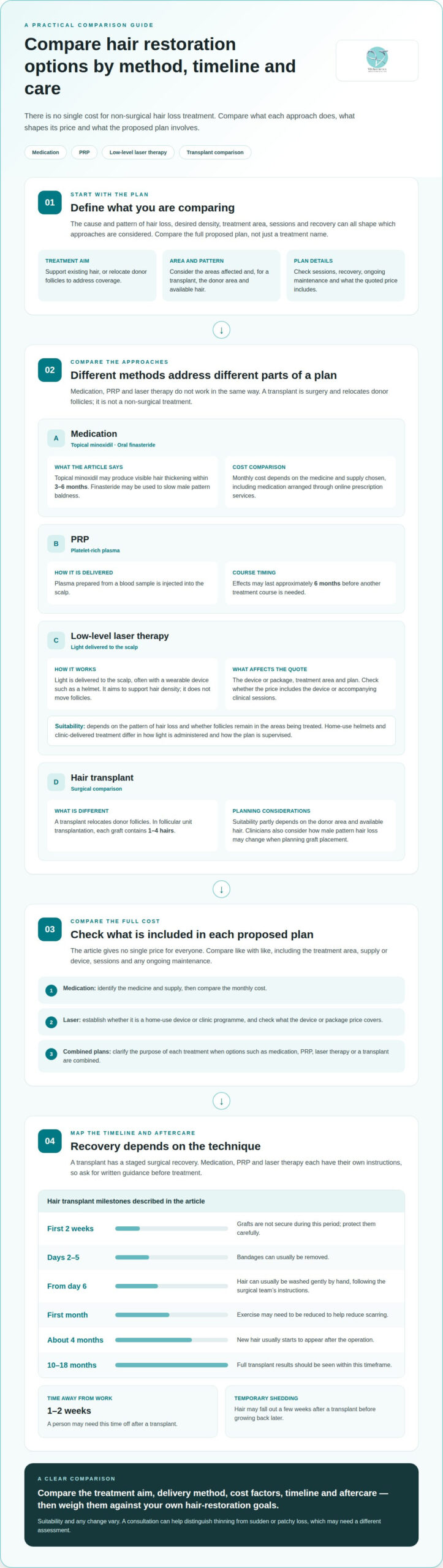
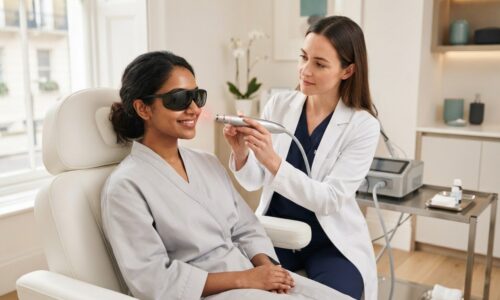
Low-level laser therapy delivers light to the scalp, often using a wearable device such as a helmet. It aims to support hair density without surgery, but does not move follicles or provide the same coverage as a transplant. Suitability depends on the pattern of hair loss and whether follicles remain in the areas being treated.
Studies have associated low-level laser therapy with increased hair density in women and men. The extent of any change varies, so consider the treatment in relation to your starting density, the area treated and your goals. Clinical resources from specialists such as Hair Health Australia similarly highlight the role of structured regrowth protocols when seeking to rebuild density. A consultation can also help distinguish thinning from sudden or patchy loss, which may need a different assessment.
Theradome is a named laser helmet, but its price depends on the device and purchase arrangement. The cost of laser treatment also depends on the device or package, treatment area and plan. Compare what the quoted price includes, such as the device itself or any accompanying clinical sessions.
A home helmet and clinic-delivered treatment differ in how light is administered and how the plan is supervised. Before choosing, establish whether you are considering a home-use device or a clinic programme, and what the proposed course involves. This makes it easier to compare like with like rather than focusing on the device name alone.
PRP, or platelet-rich plasma, is another option. It uses plasma prepared from a blood sample and injected into the scalp. Its effects may last approximately 6 months before another treatment course is needed. Laser therapy and PRP work differently, so a plan that includes both should have a clear purpose for each treatment.
Medication may also form part of a plan, while a transplant addresses coverage by relocating donor hair. These approaches are not interchangeable. Someone seeking support for thinning across an area, for example, may consider a different combination from someone focused on a defined area of hair loss.
Healthy hair care can support comfort, but it does not replace an assessment of the cause. Before a consultation, note when shedding began, which areas are affected and any recent changes. This information can help guide a discussion about whether laser therapy, PRP, medication or another approach is appropriate.
If you’re weighing clinic-based options, you can book a consultation to discuss hair restoration and the factors that shape a treatment plan.
Aftercare depends on the technique, so distinguish hair transplant surgery from non-surgical procedures. A transplant involves scalp grafts and a staged recovery, while medication, PRP and laser therapy each have their own instructions. Before treatment, get written guidance on washing, activity and changes to report.
After a hair transplant, bandages can usually be removed after 2 to 5 days. Keep your hands away from the grafts, as they need careful protection. Hair can usually be washed gently by hand from day 6. Follow the surgical team’s washing instructions rather than scrubbing or rubbing the treated area.
Plan practical support around the first weeks after surgery. A person may need 1 to 2 weeks off work, and exercise may need to be reduced during the first month to reduce scarring. These details can help you organise work and activity while following the aftercare plan for your procedure.
Hair may fall out a few weeks after a transplant before growing back later. This temporary shedding is part of the recovery timeline described for hair transplant patients. Keep track of when it begins and how the treated area changes, so you can discuss the pattern at a follow-up appointment.
Aftercare for non-surgical treatment varies by approach. Medication, platelet-rich plasma (PRP) and low-level laser therapy do not involve the same procedure or care routine. Follow the instructions for the specific technique, and record treatment dates, products used and any changes between sessions.
A side effect is an unwanted change following treatment. Possible changes and advice depend on the technique, so do not assume that instructions for PRP also apply to laser therapy or medication. Ask which symptoms need clinical attention and keep the guidance available during recovery.
Alopecia means hair loss, and its pattern can help guide an assessment. Record whether thinning is gradual or sudden, whether it affects one area or several, and when it began. If the pattern changes after treatment, share the timeline at a medical appointment rather than relying on photographs alone.
A combined hair restoration plan is easier to assess when each element has a clear purpose. Separate approaches intended to support existing hair from those aimed at changing coverage or appearance. This helps you understand why each treatment is included, rather than judging the plan by the number of options it contains.
For supplements, record the product name, ingredients and how it fits into your current routine. Share the list during a consultation, especially if you already use medication or other products. This gives you a chance to discuss the proposed combination as a whole and understand each option’s intended role.
Medication, PRP and transplant surgery work differently, so combining them requires careful sequencing. Ask which treatment addresses each area or goal, and how progress will be reviewed before another step is added. A clear plan should explain the purpose of every component in plain language.
Non-surgical therapies may be combined with a transplant to support hair that has not been transplanted or complement the intended coverage. That does not make every therapy suitable for everyone. The pattern of hair loss, treatment area and purpose of each approach all affect how a combination is planned.
Write the full plan in one place. Include each treatment’s name, timing, review point and cost basis. Separate one-off procedures from recurring products or repeat sessions, so you can see which parts involve ongoing costs without confusing them with initial treatment expenses.
Review supplements practically rather than assuming they belong in a hair-loss plan. Note what you take, why you started and whether anything has changed. This record gives a clinician useful context when discussing how different approaches may fit together.
For a focused discussion, bring your product list and a simple timeline of your hair-loss concerns. A clinician can discuss the pattern, your goals and the reason for each proposed step. This helps you compare complete plans and decide what questions to resolve before proceeding.
The condition being treated can also affect which combinations are appropriate. People with lichen planopilaris using intralesional steroid treatment can experience full remission in 83% of cases. Low-level laser therapy has been associated with up to a 51% hair density increase in women and a 35% hair density increase in men. These figures provide context for discussing options, but do not establish what an individual can expect; ask how each treatment relates to your diagnosis and goals.
Surgical timing is another consideration: younger patients under 25-30 are often advised to stabilise hair loss with medication before surgery. If you are considering surgery in England, independent clinics and hospitals providing cosmetic surgery must be registered with the Care Quality Commission (CQC). Include the clinic’s registration and the reason for the proposed sequence in your discussion, alongside the other components of the plan.
Endolift Laser Treatment is a cosmetic option for people considering non-surgical aesthetic care, rather than a scalp hair-loss therapy. For readers exploring hair restoration, Vie Aesthetics offers Stem Cell Hair Restoration, including Regenera Activa stemcell therapy for hair.
Choose a consultation that matches your concern. If your priority is thinning hair, discuss hair-restoration options and your individual goals. If you are considering a cosmetic laser treatment, explore Endolift separately. These treatments address different concerns, so one is not a substitute for the other.
Explore Regenera Activa hair treatment to learn about this hair-restoration option, or contact Vie Aesthetics to discuss which consultation suits your needs.
Understanding the cost of non-surgical hair loss treatment in the UK is a useful starting point, but the next decision is whether an approach suits you. Consider what you want to address, how a proposed plan fits your current routine and what ongoing commitment feels manageable. A clear discussion can help you weigh these priorities without feeling rushed.
Vie Aesthetics offers hair restoration treatments, including Regenera Activa stemcell therapy for hair. A consultation can help you discuss your goals and whether this approach is relevant to your needs, as well as how treatment planning fits with your wider hair-care routine.
Arrange a hair restoration consultation
Taking time to make an informed choice is a positive step. You deserve a plan that reflects your priorities and helps you move forward with confidence.
Non-surgical hair restoration uses approaches such as medication, platelet-rich plasma (PRP) or low-level laser therapy to support hair without surgically moving follicles. These methods work differently: PRP uses plasma prepared from a blood sample, while laser devices deliver light to the scalp. The cost of non-surgical hair loss treatment in the UK depends on the approach chosen and whether the plan combines methods.
Options include topical minoxidil, oral finasteride, PRP, low-level laser therapy and scalp micropigmentation. Minoxidil is applied to the scalp, while finasteride is taken orally; PRP involves scalp injections, and laser therapy uses a light-emitting device. Scalp micropigmentation creates the appearance of hair follicles rather than growing hair. These differences help clarify what each option is intended to address.
That range includes different purchase and treatment formats, so compare what the quoted option covers, such as a device or clinic-based programme. A Theradome helmet is a named device, but its specific price varies by purchase arrangement. Assess the device cost separately from any other treatment in your plan.
Risks differ between medicines, injections, laser devices and surgery, so there is no single side-effect profile for every treatment. Before starting, record your current medicines and relevant health history, then discuss how these relate to the proposed approach. For a procedure, understand its aftercare instructions and which changes need follow-up. This gives you a practical basis for weighing risks against treatment aims.
For non-surgical hair loss treatment costs in the UK, distinguish recurring medication expenses from repeat procedures or device-based treatment. PRP may need another course after its effects last approximately 6 months. To estimate ongoing spend, list each treatment separately and note its frequency and maintenance needs.
The cost of non-surgical hair loss treatment in the UK depends on the approach, treatment area and whether your plan combines options. There is no single figure for everyone, so compare the full proposed plan to understand its overall cost.
It’s natural to want a clear estimate before considering treatment. This guide explains the options, factors that can affect cost, and what to consider about aftercare and possible side effects, so you can make an informed choice at your own pace.
Myth vs Reality: Myth: every non-surgical option works in the same way. Reality: medication, PRP and laser therapy use different methods and may suit different treatment goals.
What treatment will and won’t do: Non-surgical treatment may support hair restoration without transplant surgery. However, the options are not interchangeable, and the right approach depends on your needs.
Non-surgical treatment may include medication, platelet-rich plasma (PRP) or laser therapy. Unlike a hair transplant, these approaches do not move follicles from one area of the scalp to another.
A clinic can compare options by considering the cause and pattern of hair loss, desired density, sessions and recovery. Medication and PRP aim to support existing hair, while a transplant relocates donor follicles. A transplant is surgery, so its recovery and results timeline differs from non-surgical care.
In follicular unit transplantation, each graft contains 1 to 4 hairs. Suitability partly depends on the donor area and the hair available to redistribute. With male pattern hair loss, clinicians also consider how the pattern may change when planning graft placement.
After a transplant, new hair usually starts to appear about 4 months after the operation. Full results should be seen after 10 to 18 months, and grafts aren’t secure during the first 2 weeks. These milestones help compare surgical recovery with non-surgical treatment.
NHS consultations and diagnostic tests may be available through a GP when hair loss suggests an underlying medical cause. Whether tests are offered depends on symptoms and clinical need. At an appointment, describe when the loss began and the pattern you have noticed.
Non-surgical therapies may be combined with a transplant to support non-transplanted hair or complement the intended coverage. Medication, PRP and surgery each address different aspects of a plan. The pattern of loss, donor area and treatment goals all affect how the approaches might fit together.
This includes options such as topical minoxidil and oral finasteride, including medication arranged through online prescription services. The medicine and supply chosen affect the monthly cost.
Topical minoxidil may produce visible hair thickening within 3-6 months. Finasteride may be used to slow male pattern baldness. Compare the treatment aim, route of use and timeframe alongside the monthly cost when considering your options.
Low-level laser therapy delivers light to the scalp, often using a wearable device such as a helmet. It aims to support hair density without surgery, but does not move follicles or provide the same coverage as a transplant. Suitability depends on the pattern of hair loss and whether follicles remain in the areas being treated.
Studies have associated low-level laser therapy with increased hair density in women and men. The extent of any change varies, so consider the treatment in relation to your starting density, the area treated and your goals. A consultation can also help distinguish thinning from sudden or patchy loss, which may need a different assessment.
Theradome is a named laser helmet, but its price depends on the device and purchase arrangement. The cost of laser treatment also depends on the device or package, treatment area and plan. Compare what the quoted price includes, such as the device itself or any accompanying clinical sessions.
A home helmet and clinic-delivered treatment differ in how light is administered and how the plan is supervised. Before choosing, establish whether you are considering a home-use device or a clinic programme, and what the proposed course involves. This makes it easier to compare like with like rather than focusing on the device name alone.
PRP, or platelet-rich plasma, is another option. It uses plasma prepared from a blood sample and injected into the scalp. Its effects may last approximately 6 months before another treatment course is needed. Laser therapy and PRP work differently, so a plan that includes both should have a clear purpose for each treatment.
Medication may also form part of a plan, while a transplant addresses coverage by relocating donor hair. These approaches are not interchangeable. Someone seeking support for thinning across an area, for example, may consider a different combination from someone focused on a defined area of hair loss.
Healthy hair care can support comfort, but it does not replace an assessment of the cause. Before a consultation, note when shedding began, which areas are affected and any recent changes. This information can help guide a discussion about whether laser therapy, PRP, medication or another approach is appropriate.
If you’re weighing clinic-based options, you can book a consultation to discuss hair restoration and the factors that shape a treatment plan.
Aftercare depends on the technique, so distinguish hair transplant surgery from non-surgical procedures. A transplant involves scalp grafts and a staged recovery, while medication, PRP and laser therapy each have their own instructions. Before treatment, get written guidance on washing, activity and changes to report.
After a hair transplant, bandages can usually be removed after 2 to 5 days. Keep your hands away from the grafts, as they need careful protection. Hair can usually be washed gently by hand from day 6. Follow the surgical team’s washing instructions rather than scrubbing or rubbing the treated area.
Plan practical support around the first weeks after surgery. A person may need 1 to 2 weeks off work, and exercise may need to be reduced during the first month to reduce scarring. These details can help you organise work and activity while following the aftercare plan for your procedure.
Hair may fall out a few weeks after a transplant before growing back later. This temporary shedding is part of the recovery timeline described for hair transplant patients. Keep track of when it begins and how the treated area changes, so you can discuss the pattern at a follow-up appointment.
Aftercare for non-surgical treatment varies by approach. Medication, platelet-rich plasma (PRP) and low-level laser therapy do not involve the same procedure or care routine. Follow the instructions for the specific technique, and record treatment dates, products used and any changes between sessions.
A side effect is an unwanted change following treatment. Possible changes and advice depend on the technique, so do not assume that instructions for PRP also apply to laser therapy or medication. Ask which symptoms need clinical attention and keep the guidance available during recovery.
Alopecia means hair loss, and its pattern can help guide an assessment. Record whether thinning is gradual or sudden, whether it affects one area or several, and when it began. If the pattern changes after treatment, share the timeline at a medical appointment rather than relying on photographs alone.
A combined hair restoration plan is easier to assess when each element has a clear purpose. Separate approaches intended to support existing hair from those aimed at changing coverage or appearance. This helps you understand why each treatment is included, rather than judging the plan by the number of options it contains.
For supplements, record the product name, ingredients and how it fits into your current routine. Share the list during a consultation, especially if you already use medication or other products. This gives you a chance to discuss the proposed combination as a whole and understand each option’s intended role.
Medication, PRP and transplant surgery work differently, so combining them requires careful sequencing. Ask which treatment addresses each area or goal, and how progress will be reviewed before another step is added. A clear plan should explain the purpose of every component in plain language.
Non-surgical therapies may be combined with a transplant to support hair that has not been transplanted or complement the intended coverage. That does not make every therapy suitable for everyone. The pattern of hair loss, treatment area and purpose of each approach all affect how a combination is planned.
Write the full plan in one place. Include each treatment’s name, timing, review point and cost basis. Separate one-off procedures from recurring products or repeat sessions, so you can see which parts involve ongoing costs without confusing them with initial treatment expenses.
Review supplements practically rather than assuming they belong in a hair-loss plan. Note what you take, why you started and whether anything has changed. This record gives a clinician useful context when discussing how different approaches may fit together.
For a focused discussion, bring your product list and a simple timeline of your hair-loss concerns. A clinician can discuss the pattern, your goals and the reason for each proposed step. This helps you compare complete plans and decide what questions to resolve before proceeding.
The condition being treated can also affect which combinations are appropriate. People with lichen planopilaris using intralesional steroid treatment can experience full remission in 83% of cases. Low-level laser therapy has been associated with up to a 51% hair density increase in women and a 35% hair density increase in men. These figures provide context for discussing options, but do not establish what an individual can expect; ask how each treatment relates to your diagnosis and goals.
Surgical timing is another consideration: younger patients under 25-30 are often advised to stabilise hair loss with medication before surgery. If you are considering surgery in England, independent clinics and hospitals providing cosmetic surgery must be registered with the Care Quality Commission (CQC). Include the clinic’s registration and the reason for the proposed sequence in your discussion, alongside the other components of the plan.
Endolift Laser Treatment is a cosmetic option for people considering non-surgical aesthetic care, rather than a scalp hair-loss therapy. For readers exploring hair restoration, Vie Aesthetics offers Stem Cell Hair Restoration, including Regenera Activa stemcell therapy for hair.
Choose a consultation that matches your concern. If your priority is thinning hair, discuss hair-restoration options and your individual goals. If you are considering a cosmetic laser treatment, explore Endolift separately. These treatments address different concerns, so one is not a substitute for the other.
Explore Regenera Activa hair treatment to learn about this hair-restoration option, or contact Vie Aesthetics to discuss which consultation suits your needs.
Understanding the cost of non-surgical hair loss treatment in the UK is a useful starting point, but the next decision is whether an approach suits you. Consider what you want to address, how a proposed plan fits your current routine and what ongoing commitment feels manageable. A clear discussion can help you weigh these priorities without feeling rushed.
Vie Aesthetics offers hair restoration treatments, including Regenera Activa stemcell therapy for hair. A consultation can help you discuss your goals and whether this approach is relevant to your needs, as well as how treatment planning fits with your wider hair-care routine.
Arrange a hair restoration consultation
Taking time to make an informed choice is a positive step. You deserve a plan that reflects your priorities and helps you move forward with confidence.
Non-surgical hair restoration uses approaches such as medication, platelet-rich plasma (PRP) or low-level laser therapy to support hair without surgically moving follicles. These methods work differently: PRP uses plasma prepared from a blood sample, while laser devices deliver light to the scalp. The cost of non-surgical hair loss treatment in the UK depends on the approach chosen and whether the plan combines methods.
Options include topical minoxidil, oral finasteride, PRP, low-level laser therapy and scalp micropigmentation. Minoxidil is applied to the scalp, while finasteride is taken orally; PRP involves scalp injections, and laser therapy uses a light-emitting device. Scalp micropigmentation creates the appearance of hair follicles rather than growing hair. These differences help clarify what each option is intended to address.
That range includes different purchase and treatment formats, so compare what the quoted option covers, such as a device or clinic-based programme. A Theradome helmet is a named device, but its specific price varies by purchase arrangement. Assess the device cost separately from any other treatment in your plan.
Risks differ between medicines, injections, laser devices and surgery, so there is no single side-effect profile for every treatment. Before starting, record your current medicines and relevant health history, then discuss how these relate to the proposed approach. For a procedure, understand its aftercare instructions and which changes need follow-up. This gives you a practical basis for weighing risks against treatment aims.
For non-surgical hair loss treatment costs in the UK, distinguish recurring medication expenses from repeat procedures or device-based treatment. PRP may need another course after its effects last approximately 6 months. To estimate ongoing spend, list each treatment separately and note its frequency and maintenance needs.